Anonymous on Facebook Groups? Not Really: How Anonymous Posts Can Still Be Traced
In recent years, anonymous posting in Facebook groups has become a popular feature. On the surface, it appears to give users a safe space to share concerns, ask questions, or discuss sensitive issues without attaching their names to their comments.
But there’s an important reality many users don’t understand: anonymous posts in Facebook groups are not truly anonymous.
For individuals who find themselves the target of harassment, bullying, or defamation through these posts, there are legitimate ways to uncover the identity of the person behind the screen name. Understanding how this works is important for both those using anonymous features responsibly—and those who believe anonymity protects them from accountability.
How Anonymous Posting Works in Facebook Groups
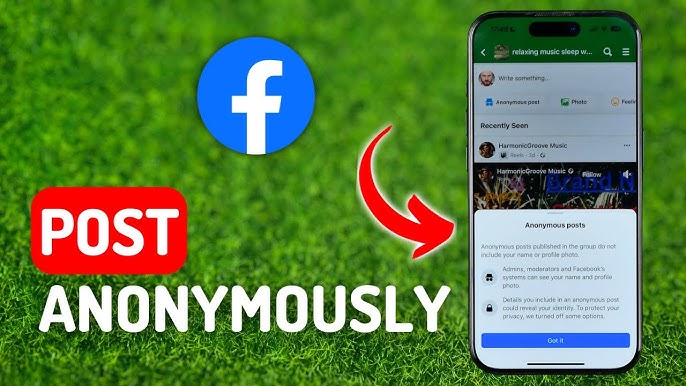
The anonymous posting feature on Facebook groups allows users to submit a post without their name appearing publicly. Instead, the post will appear with a label such as “Group Member” or “Anonymous Participant.”
To other members of the group, the author’s identity is hidden.
However, that anonymity has two important limitations:
- Group administrators and moderators can still see the identity of the poster.
- Facebook itself always retains the user’s account information and posting data.
This means that the post is simply hidden from the general public—not from those with administrative authority or from the platform itself.
When Anonymous Posts Cross the Line
Most anonymous posts are harmless. People may ask for advice about parenting, relationships, school issues, or workplace concerns.
But problems arise when anonymous posts are used to:
- Spread false allegations
- Harass or bully individuals
- Damage someone’s reputation
- Share misleading or defamatory statements
- Incite harassment by others in the group
In these situations, the law may consider the post defamation, harassment, or cyberbullying, depending on the content and jurisdiction.
And importantly, the fact that a post is labeled “anonymous” does not shield the author from legal responsibility.
The First Step: Identifying Group Administrators
Because group administrators can see the identity of anonymous posters, they are often the first place to start.
If someone has been targeted in a post, they can:
- Contact the group administrator
- Request the post be removed
- Ask whether the administrator is willing to disclose the identity of the poster
Some administrators will cooperate—especially if the post clearly violates the group’s rules or community standards.
Others may decline due to privacy concerns. When that happens, additional legal options exist.
Legal Tools That Can Reveal Anonymous Posters
Courts have long recognized that individuals have the right to defend themselves against anonymous defamation online.
One of the most common legal tools used in these cases is a subpoena.
Subpoenas to Social Media Platforms
If a lawsuit is filed—for example for defamation or harassment—an attorney can request a subpoena directed to the platform hosting the content.
In the case of Facebook, the platform is operated by Meta Platforms.
A subpoena can request records such as:
- Account registration details
- IP address logs
- Email addresses associated with the account
- Login history
- Device information
These records can help identify the individual responsible for the post.
IP Addresses and Digital Footprints
Every time a user logs into a social media platform, their device leaves behind a digital footprint.
This often includes:
- IP addresses
- Device identifiers
- Browser data
- Location metadata
Even if someone creates a secondary account or attempts to hide behind an anonymous post feature, these digital records can frequently be traced back to a real person.
Courts have repeatedly allowed these records to be used to identify anonymous online users when credible claims of defamation or harassment exist.
The Legal Standard Courts Often Require
Courts generally balance two competing interests:
- Free speech and anonymous expression
- An individual’s right to protect their reputation
To obtain identifying information, a plaintiff usually must demonstrate that:
- The statements are potentially defamatory
- The claim has legal merit
- Identifying the poster is necessary to pursue the case
Once a judge agrees, the court can authorize subpoenas to obtain the relevant records.
Why “Anonymous” Doesn’t Mean “Untraceable”
Many people mistakenly believe that posting anonymously online makes them invisible.
In reality, online anonymity is often conditional and temporary.
Platforms maintain records, administrators often know the poster’s identity, and courts have the authority to compel disclosure when necessary.
The anonymous label may hide a name from the public—but it rarely eliminates the digital trail behind the post.
A Reminder About Responsible Online Behavior
Anonymous features can serve an important purpose. They can help people discuss sensitive topics or ask questions they might otherwise avoid.
But anonymity should never be mistaken for a license to bully, harass, or defame others.
The internet may feel distant and detached—but the legal and personal consequences of harmful posts are very real.
And when someone’s reputation or well-being is attacked through anonymous posts, there are legitimate paths to uncover the truth behind the screen.
Mark Kaley is the author of the book “From Pennies to Millions”, creator of the rock musical “Those Days” based on the music of Nickelback, and the PR Manager with Otter Public Relations. He has been featured in Forbes, Fox Business, Authority Magazine, Modern Marketing Today, PR Pioneer, Market Daily, O’Dwyer PR, DKoding, and Consumer Affairs. Mark is also a contributor with Hackernoon, you can view his contributor profile here. Learn more here.
This article is NOT legal advice, just information researched online to help people who are being bullied and harassed in an online environment. Always consult your own attorney.