Democrat Shutdown or Republican Shakedown: How Messaging Shapes Perception
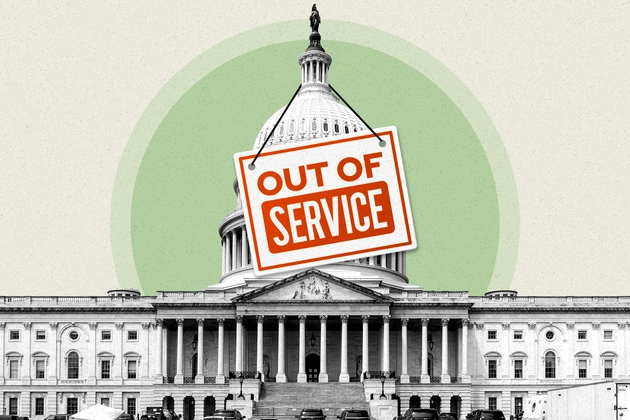
Every time Washington grinds to a halt, the real battle isn’t just over spending levels or policy priorities—it’s over the story. In a government shutdown, perception is reality, and whichever party controls the narrative controls the blame. That’s why each side races to define the crisis first: Republicans label it a “Democrat Shutdown,” while Democrats, if they’re smart, should brand it what it really is—a “Republican Shutdown Shakedown.”
The difference between those two phrases is more than semantics. It’s the difference between appearing as a party of principle or a party of dysfunction, between being seen as standing firm or standing in the way. Messaging, not policy nuance, determines who the public believes is responsible for Washington’s failure to govern.
The Politics of Shutdown Blame
Government shutdowns have become a recurring political weapon. They’re no longer accidental standoffs—they’re carefully orchestrated gambits designed to extract concessions. But here’s the truth: in most shutdowns, the public doesn’t parse the legislative details. Voters don’t read continuing resolutions or analyze appropriations riders. They react to headlines, soundbites, and the stories they see on their newsfeeds.
That’s why Republicans often rush to brand any standoff as a “Democrat Shutdown.” It’s short, emotionally charged, and easy to repeat across conservative media. The goal is simple: shift blame before facts settle in. By contrast, Democrats tend to respond with process explanations—“we support a clean CR,” or “we’re negotiating in good faith.” While accurate, those phrases fail to connect emotionally. They sound procedural when voters want moral clarity.
In the court of public opinion, messaging beats mechanics every time.
Framing the Shutdown Narrative
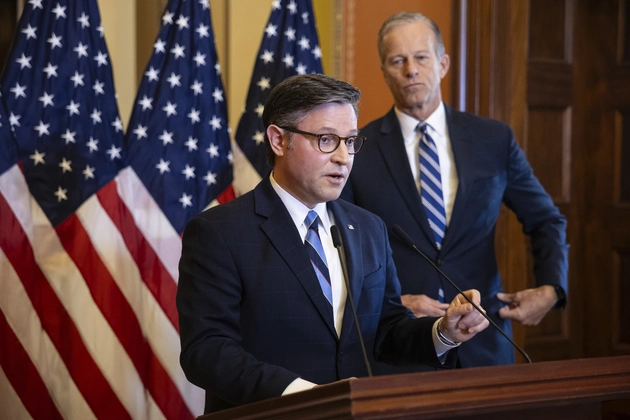
In the current standoff, Republicans in the House passed a continuing resolution (CR) and claimed Democrats are shutting down the government by refusing to approve it. Their argument: “We offered a bill that keeps the government open—Democrats are rejecting it.”
But here’s the catch. The bill wasn’t a neutral continuation of government funding; it came with conditions, timing constraints, or policy implications designed to put Democrats in a corner. In politics, that’s not compromise—it’s coercion.
When one side says, “Take our deal or we’ll let the government close,” that’s not negotiation—it’s a shakedown.
Democrats need to call it what it is. The Republican Shutdown Shakedown.
Negotiation Requires Two Sides
You cannot credibly blame one side for a breakdown in negotiations when the other side refuses to negotiate in good faith. Governing is not a zero-sum game. It’s a shared responsibility that requires dialogue, compromise, and the recognition that no party gets everything it wants.
Imagine this in everyday terms: Suppose a man walks into a car dealership in March and offers $25,000 for a vehicle. The dealer declines, so he walks away. Six months later, he returns to find the car’s price, market value, and incentives have changed. The dealership can’t hold him to his old offer—circumstances have shifted.
That’s politics in real time. The fact that Democrats supported a similar continuing resolution in the past doesn’t bind them to support it under new conditions. The economy changes, priorities shift, and policy contexts evolve. Pretending otherwise is disingenuous. Yet Republicans insist Democrats are to blame for rejecting a deal simply because it resembles a prior version they once supported.
That’s not how negotiation—or democracy—works.
Governing by Ultimatum
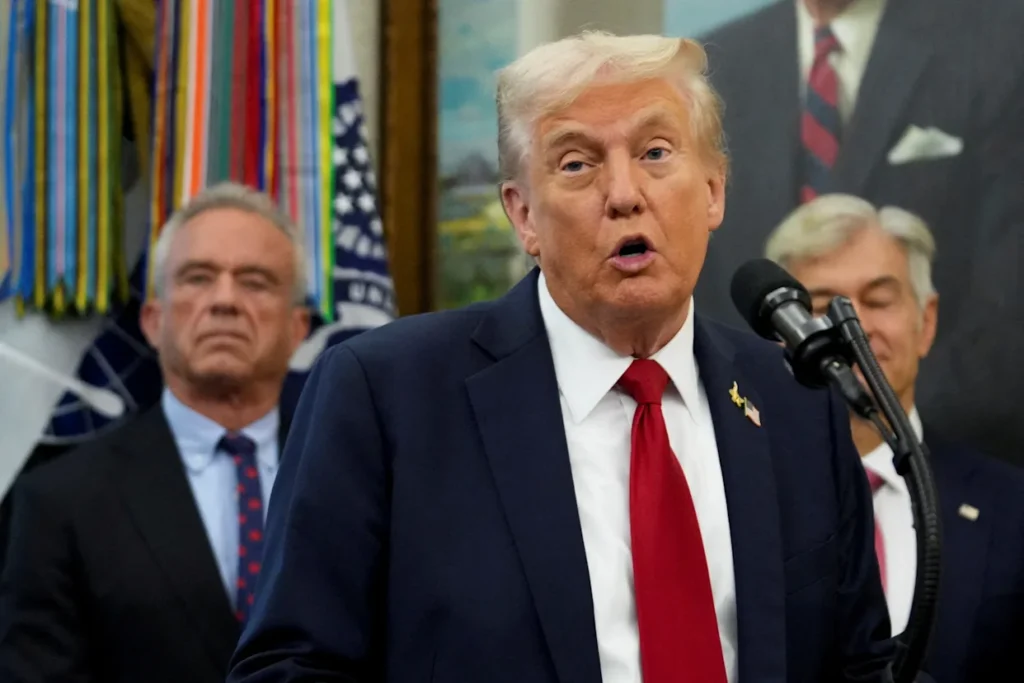
When Republicans tie government funding to unrelated policy demands or use the threat of a shutdown as leverage, they aren’t negotiating—they’re issuing ultimatums. It’s governance by ransom note. The message to Democrats and the American people is essentially: “Give us what we want, or we’ll hold the government hostage.”
That’s why the phrase “Republican Shutdown Shakedown” resonates. It reframes the GOP’s tactic not as principled bargaining but as extortion. It exposes the manipulation behind the messaging and helps voters see through the blame game.
Democrats shouldn’t shy away from calling it that. In the age of social media, clarity wins over complexity. Every headline, every chyron, every quote matters. “Republican Shutdown Shakedown” puts the GOP’s actions in moral and emotional terms the public immediately understands.
Lessons from Past Shutdowns
History supports this messaging approach. In the 1995 shutdown under Speaker Newt Gingrich, Republicans blamed President Clinton for refusing to meet their demands. But Clinton framed the issue as Gingrich holding the country hostage to force cuts in Medicare and education. The result? Polls showed voters overwhelmingly blamed Republicans. Clinton’s approval ratings rose, and the GOP retreated.
The 2013 shutdown followed the same script. Republicans sought to defund the Affordable Care Act as a condition of funding the government. Democrats refused, insisting that basic operations of government shouldn’t be contingent on partisan demands. Again, the public sided with the Democrats.
In both cases, the decisive factor wasn’t legislative detail—it was narrative control. Clinton’s “hostage” framing and Obama’s “manufactured crisis” messaging turned policy minutiae into a simple moral argument: Republicans were using the country’s wellbeing as leverage for ideological gain.
Today’s Shutdown Narrative Battle
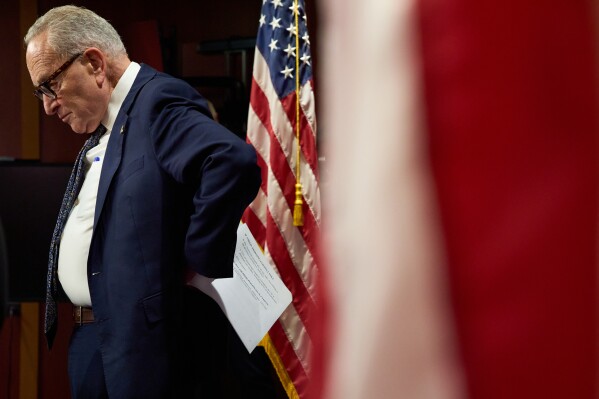
Fast forward to today. Republicans understand the power of framing and are trying to reverse the optics by using “Democrat Shutdown” messaging early and often. It’s a tactical play to seed doubt, muddy responsibility, and paint Democrats as obstructionists. But Democrats have the stronger hand if they lean into moral clarity.
They must emphasize that they’re willing to govern, negotiate, and compromise—but not under duress. They’re defending stability, protecting working families from missed paychecks, and upholding responsible governance.
The message should be:
“We’ll negotiate budgets. We’ll debate priorities. But we won’t let America be held hostage. This isn’t a shutdown—it’s a shakedown.”
That language flips the emotional weight of the GOP’s attack, recasts Democrats as the adults in the room, and exposes the underlying bad faith driving the standoff.
The Communication Imperative
For the Democratic Party, this moment is about more than winning a news cycle. It’s about demonstrating that clarity and conviction can outmaneuver cynicism and chaos. Democrats have historically struggled to distill complex legislative debates into digestible, values-driven messaging. But the electorate doesn’t vote on policy spreadsheets—they vote on trust and temperament.
If Democrats articulate a simple, consistent message—that they will not allow America’s workers, veterans, and small businesses to be collateral damage in a political shakedown—they will win the perception war again, just as they have in shutdowns past.
Every surrogate, spokesperson, and elected official should be armed with language that echoes this theme. For example:
- “This isn’t a shutdown—it’s a shakedown.”
- “We’re ready to govern. Republicans are ready to gamble.”
- “You can’t negotiate with a hostage-taker.”
- “Governing isn’t a ransom note.”
Each of these statements draws from a consistent narrative of responsibility versus recklessness—exactly the moral framing that persuades independent voters.
The Broader Lesson
Ultimately, the shutdown debate isn’t just about who “caused” it—it’s about who owns it in the public imagination. Republicans want voters to see Democrats as obstructionists. Democrats must ensure voters see Republicans as extortionists. The facts alone won’t decide that perception; the framing will.
A “Democrat Shutdown” implies passive blame—Democrats failed to act.
A “Republican Shutdown Shakedown” implies active guilt—Republicans chose chaos.
That single shift in word choice changes everything. It places Democrats on the side of stability and responsibility and Republicans on the side of brinksmanship and bullying.
In modern politics, language isn’t decoration—it’s strategy. And in a government shutdown, it’s the most powerful currency of all.
Bottom Line:
Democrats must not merely defend their position—they must define the narrative. The GOP may try to sell a “Democrat Shutdown,” but the truth, and the smarter message, is clear: this is a Republican Shutdown Shakedown. Until both sides come to the table in good faith, no amount of blame-shifting can disguise who’s really walking away from governing.
Mark Kaley is the author of the book “From Pennies to Millions” and the PR Manager with Otter Public Relations. He has been featured in Forbes, Fox Business, Authority Magazine, Modern Marketing Today, PR Pioneer, Market Daily, O’Dwyer PR, DKoding, and Consumer Affairs. Mark is also a contributor with Hackernoon, you can view his contributor profile here. Learn more here.