The Role of Paid Media in a PR Campaign: Building Momentum for Earned Success
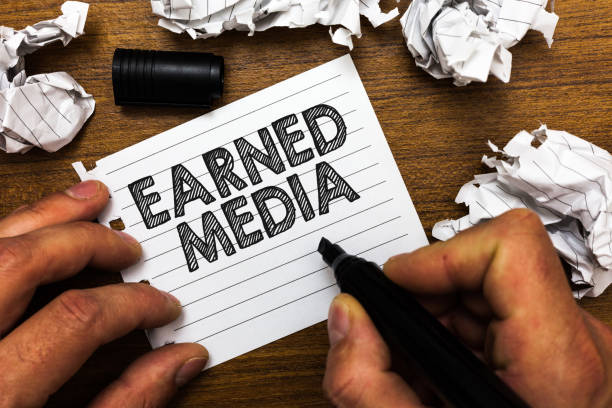
Public relations has always been rooted in the power of earned media. Securing placements in trusted outlets, being quoted by journalists, or becoming the subject of a feature story carries unmatched credibility. Audiences instinctively know that a reporter or editor chose to highlight a story because it was relevant, timely, and newsworthy—not because money changed hands. For that reason, earned media has long been considered the gold standard of PR.
But in today’s fast-moving, oversaturated media landscape, waiting solely for organic coverage to appear can limit momentum. As a PR professional, I often remind clients that while earned media remains the heart of public relations, incorporating paid media strategically can accelerate visibility, strengthen credibility, and open the door to more meaningful earned opportunities. Paid media is not a replacement for PR—it’s a tool that supports it.
In this article, I’ll walk through why paid media matters, how it can support your PR goals, and why clients should consider it an investment in building a stronger media resume that paves the way for earned media wins.
Why Earned Media Remains the Heart of PR
Before diving into paid strategies, it’s important to reaffirm the role of earned media. Earned coverage represents third-party validation. A journalist or publication decides your story is worth covering, lending weight and authenticity to your brand. Whether it’s a national feature in Forbes or a mention in a local business journal, this type of media acts as a trust signal for customers, investors, and partners.
Earned media is powerful because it:
- Provides credibility – It’s seen as unbiased, which builds trust.
- Boosts SEO – Backlinks from authoritative media outlets improve search rankings.
- Creates long-tail value – Articles live online long after publication, continuing to drive traffic and brand visibility.
- Validates messaging – A journalist covering your brand confirms the story resonates beyond your internal team.
For clients seeking to build reputation, establish thought leadership, or gain market share, earned media remains the ultimate goal.
Where Paid Media Fits into Public Relations
So where does paid media come in? At its core, paid media refers to advertising or sponsored placements that are purchased rather than earned. These can take many forms:
- Sponsored articles (native advertising)
- Social media ads
- Paid influencer partnerships
- Search engine marketing (SEM)
- Press release distribution on premium wires
While some PR purists resist paid media, the reality is that when used correctly, it amplifies PR efforts and lays the foundation for stronger earned outcomes. It can act as the accelerator that ensures your brand gets seen, especially in the early stages of a campaign or when breaking into a crowded market.
How Paid Media Supports Earned Media Success
Here are key ways paid media can enhance PR strategies and help clients build their media resume:
1. Building Initial Visibility
Journalists are more likely to cover stories about brands they’ve seen before. Paid media creates a consistent presence, ensuring your name, product, or message is already circulating. When a reporter researches your company, they’ll find evidence of coverage—even if it started as sponsored. That visibility increases your chances of being considered for earned placements later.
2. Controlling the Narrative
Earned media is valuable because it’s authentic, but it’s also unpredictable. You don’t control what a journalist writes or how much of your story makes the final edit. Paid placements give you control over the message, ensuring your core talking points are delivered exactly as intended. This is especially important for startups introducing new concepts or executives looking to establish thought leadership.
3. Enhancing SEO and Discoverability
Sponsored articles and press release distribution provide backlinks and digital presence that contribute to search engine rankings. When paired with earned media, this builds a stronger online footprint. Reporters often Google a company before considering them for a story—paid media ensures what they find is polished, professional, and credible.
4. Filling Gaps in Media Coverage
Not every campaign will immediately yield high-value earned media. Paid placements can fill the gaps, giving clients proof points for their website, social channels, or investor decks. This allows momentum to continue while waiting for larger earned opportunities to develop.
5. Supporting Thought Leadership
Executives who want to be recognized as thought leaders benefit from publishing sponsored articles or op-eds. These pieces showcase expertise, demonstrate consistency, and establish authority. Once thought leadership content is circulating, journalists are more likely to consider those executives as sources for earned stories.
Aligning Paid Media with Client Objectives
As PR professionals, we always start with client goals:
- Are you looking to increase brand awareness?
- Build thought leadership?
- Drive leads or sales?
- Position for funding or acquisition?
Understanding these objectives determines how paid media fits into the larger PR campaign. For example:
- Startups often need quick visibility to attract investors. Sponsored articles and targeted ads can build presence while the company develops credibility.
- Executives seeking thought leadership benefit from publishing paid op-eds to establish authority, later leveraged into speaking opportunities and journalist quotes.
- Consumer brands launching new products use paid influencer partnerships and social ads to generate buzz while waiting for organic reviews or press.
Paid media is not about replacing earned coverage—it’s about supporting the journey toward it.
Overcoming Client Resistance to Paid Media
Many clients are hesitant when they hear the word “paid.” They may worry it undermines authenticity or that it’s simply advertising disguised as PR. The key is reframing it: paid media is an investment, not an expense.
Here’s what I tell clients:
- Think of it as your audition. Paid media helps you build a track record, so when reporters research you, they see coverage.
- It’s a credibility builder. Journalists often vet brands by looking at their media presence. Sponsored content ensures there’s something credible for them to find.
- It’s complementary. Paid placements do not replace the work of pitching and securing earned coverage—they amplify it.
When clients view paid media as a steppingstone rather than a substitute, they begin to see the long-term value.
Best Practices for Integrating Paid and Earned Media
To maximize the effectiveness of paid media in a PR campaign, follow these best practices:
- Align with earned goals. Paid efforts should complement—not compete with—earned media outreach.
- Choose credible outlets. A paid article in a respected publication carries more weight than generic advertising.
- Maintain journalistic standards. Even in sponsored content, prioritize storytelling over sales pitch. Quality content increases the likelihood of catching a journalist’s attention later.
- Track performance. Use analytics to measure impressions, engagement, and SEO benefits, then report alongside earned metrics.
- Phase strategically. Start with paid to build awareness, then shift focus toward earned once credibility is established.
Conclusion: Paid Media as the Bridge to Earned Success
At its core, PR is and always will be about earned media. Nothing compares to the credibility and authenticity of an organic story. But in a competitive media environment, paid media can be the bridge that helps clients get there faster. It creates visibility, fills credibility gaps, supports SEO, and provides proof points that journalists look for when considering a brand.
For clients serious about building their media resume, the smartest approach is not to resist paid opportunities but to embrace them strategically. Think of paid media as an investment in the future of your earned media success. By combining both approaches, you can accelerate momentum, build lasting credibility, and ensure your brand story is not only told—but told widely, effectively, and authentically.
Mark Kaley is the author of the book “From Pennies to Millions” and the PR Manager with Otter Public Relations. He has been featured in Forbes, Fox Business, Authority Magazine, Modern Marketing Today, PR Pioneer, Market Daily, O’Dwyer PR, DKoding, and Consumer Affairs. Mark is also a contributor with Hackernoon, you can view his contributor profile here. Learn more here.