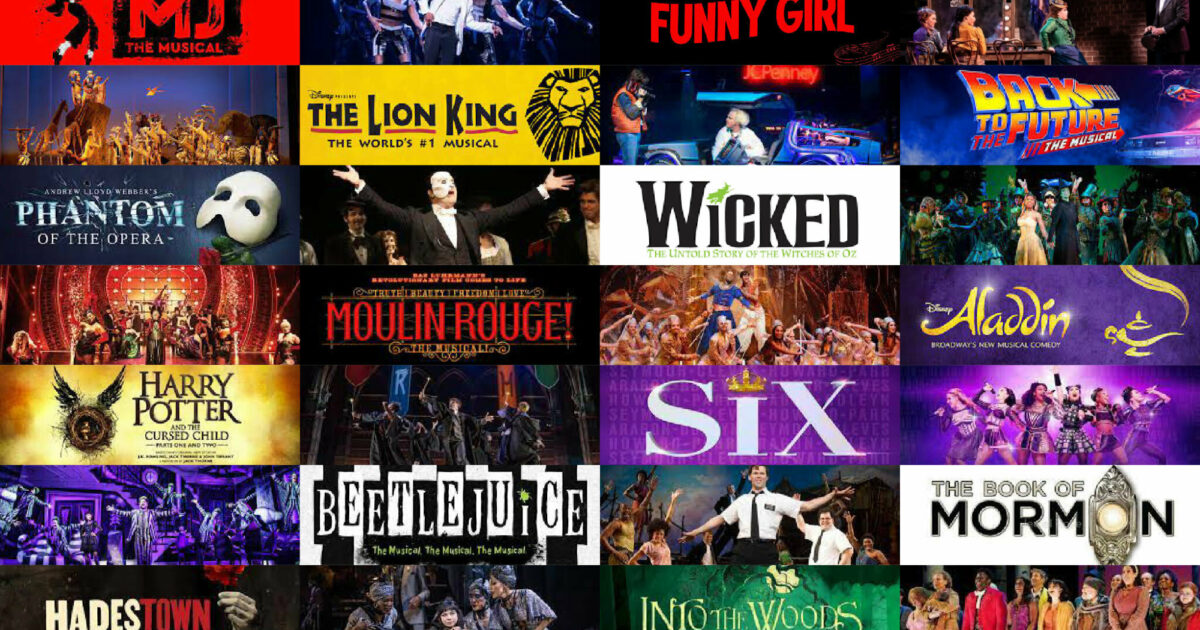
Rock Musical: An Evolution from Stage to Screen
In the dynamic world of theater, few genres have captured the rebellious spirit and raw energy of an era quite like the rock musical. As a devoted fan, I’ve had the pleasure of witnessing this incredible art form grow from a rebellious counter-culture experiment into a powerful, mainstream force. The journey of the rock musical is a fascinating tale of innovation, and its current dominance on both stage and screen is a testament to its enduring power.
For decades, the Broadway stage was a bastion of traditional show tunes, seemingly insulated from the cultural revolution sparked by rock and roll. However, in the late 1960s, a seismic shift occurred with the arrival of Hair: The American Tribal Love-Rock Musical. This groundbreaking production shattered conventions with its anti-war themes and a score that felt more like a live concert than a traditional musical. Hair proved that the visceral energy of rock and roll could not only exist on a theatrical stage but could also provide a powerful new language for storytelling.
This early success paved the way for the rock opera, a genre that embraced dramatic, emotional, and often dialogue-free narratives. Andrew Lloyd Webber and Tim Rice’s Jesus Christ Superstar (1970), which began as a wildly successful concept album, showed the world that a rock musical could tackle a weighty, serious subject with operatic grandeur. Other early pioneers like Grease and Godspell expanded the genre, weaving in influences from folk, pop, and blues to create distinct and memorable scores. While the 1980s saw a brief dip in popularity, the genre never truly disappeared, thanks to cult classics like Little Shop of Horrors.
The true rock musical renaissance arrived in the 1990s with Jonathan Larson’s Rent. This monumental work infused the genre with a raw, contemporary sensibility, tackling a modern-day bohemian story with a passionate rock score. Rent spoke directly to a new generation, earning critical acclaim and commercial success that solidified the rock musical’s place in the pantheon of Broadway greats. Its legacy can be seen in the proliferation of modern classics like Hedwig and the Angry Inch, and the wildly popular jukebox musicals such as Mamma Mia!, which brought classic rock hits to the stage. This new wave of rock musicals continued into the 21st century with groundbreaking shows like Spring Awakening, Next to Normal, and Green Day’s punk rock musical, American Idiot.
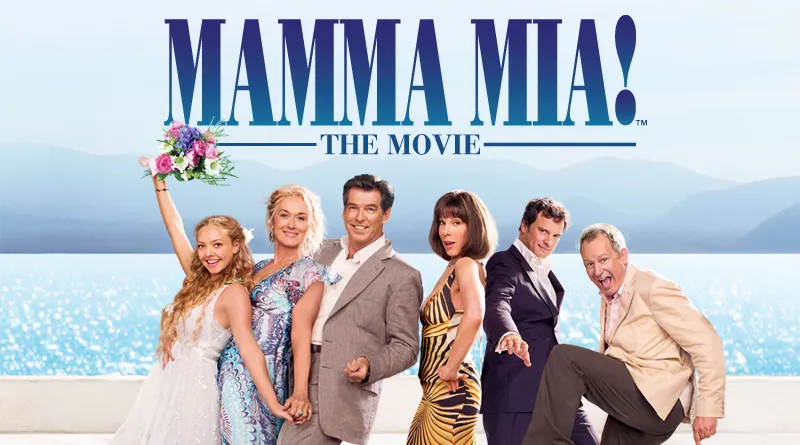
Beyond the stage, the most exciting development for musicals has been their transition to the screen. Film adaptations have become a powerful tool for introducing these stories to a global audience. While some purists argue that the magic of live theater is lost, I believe that film offers a unique and complementary experience. The camera can capture the intimate details of a character’s emotional journey in a close-up, while breathtaking choreography and visual effects can be fully realized in a way that’s impossible in a live show.
This synergy between stage and screen has been particularly successful for rock musical adaptations. The cinematic version of Rent allowed a new generation to experience its timeless story. More recently, films like The Rocky Horror Picture Show have cemented their status as cinematic cult classics, proving that the rebellious spirit of rock and rolltranslates perfectly to the screen. Even non-traditional projects, such as the filmed stage production of Hamilton and the highly emotional tick, tick… BOOM!, demonstrate that audiences are hungry for these energetic and heartfelt stories, regardless of the medium.
The rise of the rock musical is a testament to its flexibility and emotional depth. It’s a genre that embraces complexity and tackles difficult subjects with a fierce, unapologetic voice. By combining the emotional core of theater with the raw power of rock, these shows don’t just entertain; they create a cathartic, communal experience. As the genre continues to evolve, I’m thrilled to see what new stories and sounds it will bring to both the stage and the screen.
Now, time to turn on Amazon Prime library and watch Phantom of the Opera.
Mark Kaley is the author of the book “From Pennies to Millions” and the PR Manager with Otter Public Relations. He has been featured in Forbes, Fox Business, Authority Magazine, Modern Marketing Today, PR Pioneer, Market Daily, O’Dwyer PR, DKoding, and Consumer Affairs. Mark is also a contributor with Hackernoon, you can view his contributor profile here. Learn more here.