How to Handle a Manipulative Bully on a Nonprofit Board Without Losing Your Integrity

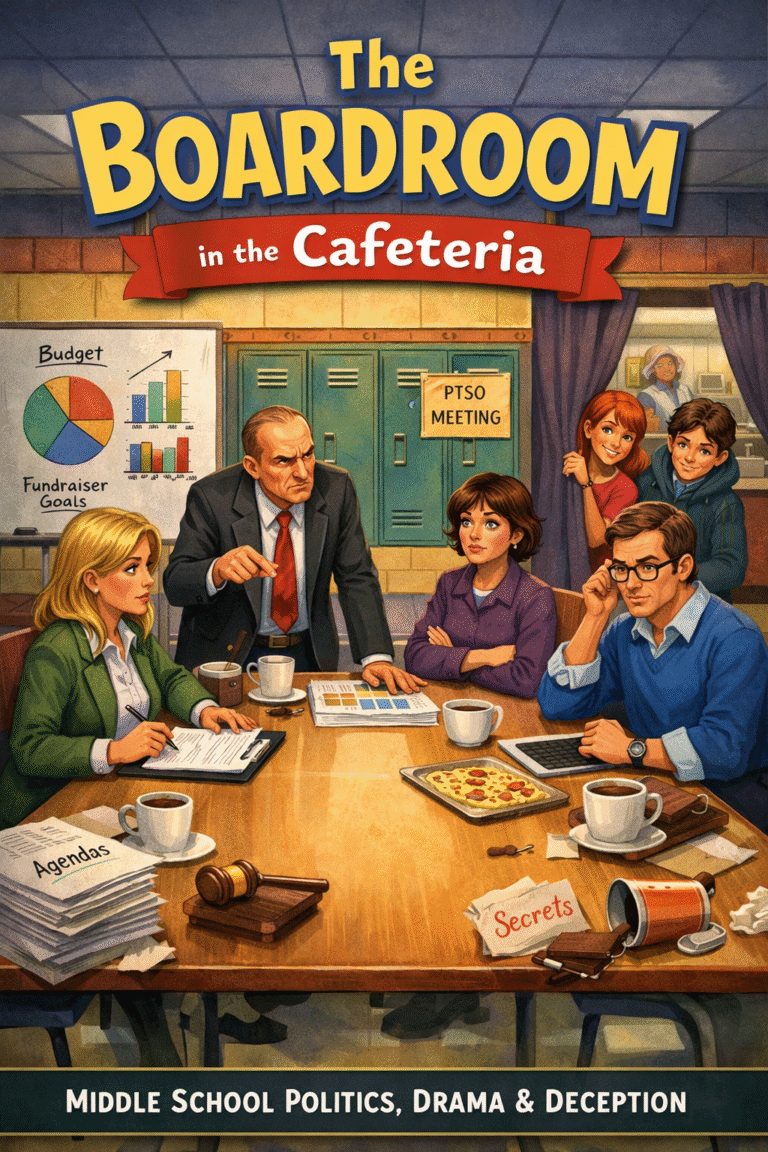
What happens when the bully sits at the board table? There is a particular kind of conflict that only happens in small community organizations.
It doesn’t look like corporate politics. There are no HR departments, no compliance teams, no layers of distance between disagreement and emotion. Instead, it happens in school cafeterias after hours, in church halls, in neighborhood clubhouses. It happens between people who once texted about carpools and birthday parties.
And when it happens, it cuts deeper.
Because this isn’t just governance. It’s a community.
The most destabilizing version of this conflict is not loud incompetence. It’s not even open hostility. It’s the slow, calculated reshaping of narrative by someone who feels cornered — someone who realizes accountability is coming and decides that survival depends on turning the spotlight elsewhere.
Suddenly, routine oversight becomes “a power grab.”
Requests for documentation become “targeted attacks.”
Bylaw clarifications become a “consolidation of authority.”
And the person raising legitimate governance concerns is reframed as the villain.
The Moment the Air Changes
In most cases, the shift is subtle at first. You notice resistance when financial records are requested. You hear that certain conversations are happening without you. You learn that other board members were told, “Don’t worry, I’ll explain what’s really going on.” You discover that statements about removals, votes, or appointments are circulating — statements that bear little resemblance to what actually happened.
Then comes the emotional pivot: “You’re trying to control everything.”
And just like that, the conversation moves away from receipts, signatures, procedures, or fiduciary responsibility — and into a swirl of accusation and injury.
It is disorienting. Because you thought you were discussing governance.
They are discussing survival.
When Accountability Feels Like Exposure
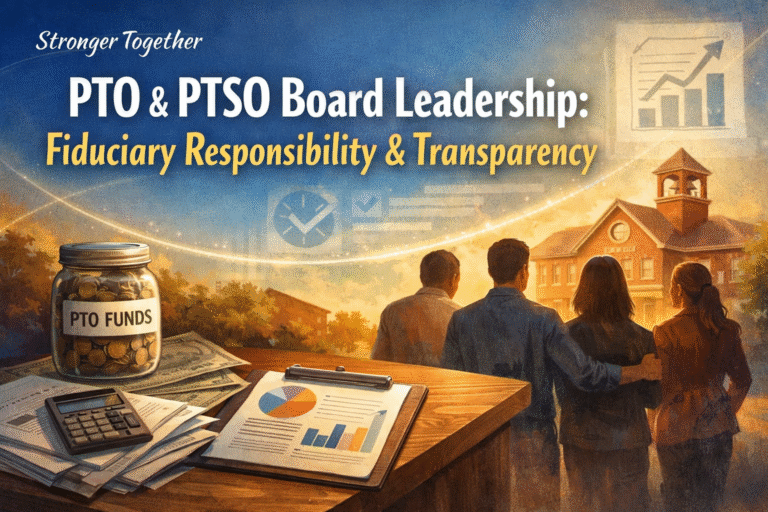
In small nonprofits, especially those operating under frameworks such as Florida Statutes Chapter 617, board members owe fiduciary duties. Duties of care. Duties of loyalty. Duties that require oversight of finances, compliance, and internal controls.
Those duties do not dissolve because someone is a friend.
They do not pause because conversations are uncomfortable.
But when documentation gaps are identified — missing receipts, unsigned reimbursements, unclear deposits — the person responsible may experience that oversight as a threat. And a threat can trigger something ugly.
Instead of saying, “Let’s fix this,” they say, “Why are you attacking me?”
Instead of producing records, they question motives.
Instead of addressing the process, they question the character.
And if they are skilled at emotional persuasion, they begin quietly building a new storyline — one in which they are the victim of overreach, the defender of democracy, the lone voice against consolidation.
It is extraordinary how quickly perception can be manipulated in a close-knit community.
The Trap of Fighting Back with the Bully

The instinct, when falsely accused, is to defend loudly.
To expose the exaggerations. To name the manipulation.
To call it what it is: vindictive, self-preserving, dishonest.
But that is the trap.
Because the moment you engage at the emotional level, you are no longer leading — you are sparring. And sparring creates sides. Sides fracture organizations.
The harder discipline is this: move everything into structure.
Put it in writing.
Put it on the agenda.
Put it in the minutes.
Put it in policy language.
When someone claims board members were “removed unfairly,” calmly reference the bylaws. When someone suggests that financial oversight is harassment, restate the fiduciary duty owed to the organization. When someone spreads a version of events untethered from fact, correct the record once — clearly, without venom — and then return to business.
Structure is not dramatic. It is steady.
And steady leadership, over time, exposes instability without ever needing to name it.
The Personal Cost
What makes this kind of conflict especially painful is history.
Often, these are not strangers. They are people you trusted. People who once said they had your back. People who shared confidences and strategy sessions and late-night planning calls.
When conflict escalates, it can feel like betrayal.
There may be moments where they say things designed to wound — to question your motives, your integrity, your character. They may frame your insistence on transparency as ambition. They may describe governance as ego.
It is tempting to respond in kind.
But leadership in community organizations requires a different kind of strength: the ability to absorb accusations without abandoning professionalism.
Not because you are weak.
But because the mission is bigger than the moment.
Re-Centering the Purpose
The only stable ground in these storms is purpose.
Why does the organization exist?
For students.
For families.
For teachers.
For the neighborhood.
Not for control.
Not for ego.
Not for narrative dominance.
When leadership continues to deliver — events executed well, finances reviewed independently, policies strengthened, communication transparent — the noise begins to lose credibility. Performance is a quiet rebuttal to propaganda.
You do not have to win every argument.
You have to protect the institution.
The Final Discipline
Perhaps the hardest part of navigating a manipulative bully is resisting transformation.
Resisting the urge to become just as strategic with half-truths.
Resisting the temptation to rally allies into factions.
Resisting the satisfaction of public humiliation.
If you allow yourself to mirror their behavior, the organization loses twice.
Instead, you commit — publicly and privately — to respectful conduct. You speak about systems, not personalities. You leave space for dignity, even if it is not returned.
And you let time do what it always does.
Narratives are loud in the moment, but not permanent.
When the dust settles, what remains are the minutes, the financial reviews, the bylaws, and the votes. The paper trail tells the story.
In small community organizations, integrity is not flashy. It is cumulative. It is built meeting by meeting, report by report, decision by decision.
A vindictive bully can distort perception for a season.
But stewardship, done consistently and without theatrics, outlasts manipulation.
And in the end, that is what leadership truly is:
Not control.
Not dominance.
Not narrative warfare.
Stewardship.
Mark Kaley is the author of the book “From Pennies to Millions”, creator of the rock musical “Those Days” based on the music of Nickelback, and the PR Manager with Otter Public Relations. He has been featured in Forbes, Fox Business, Authority Magazine, Modern Marketing Today, PR Pioneer, Market Daily, O’Dwyer PR, DKoding, and Consumer Affairs. Mark is also a contributor with Hackernoon, you can view his contributor profile here. Learn more here.